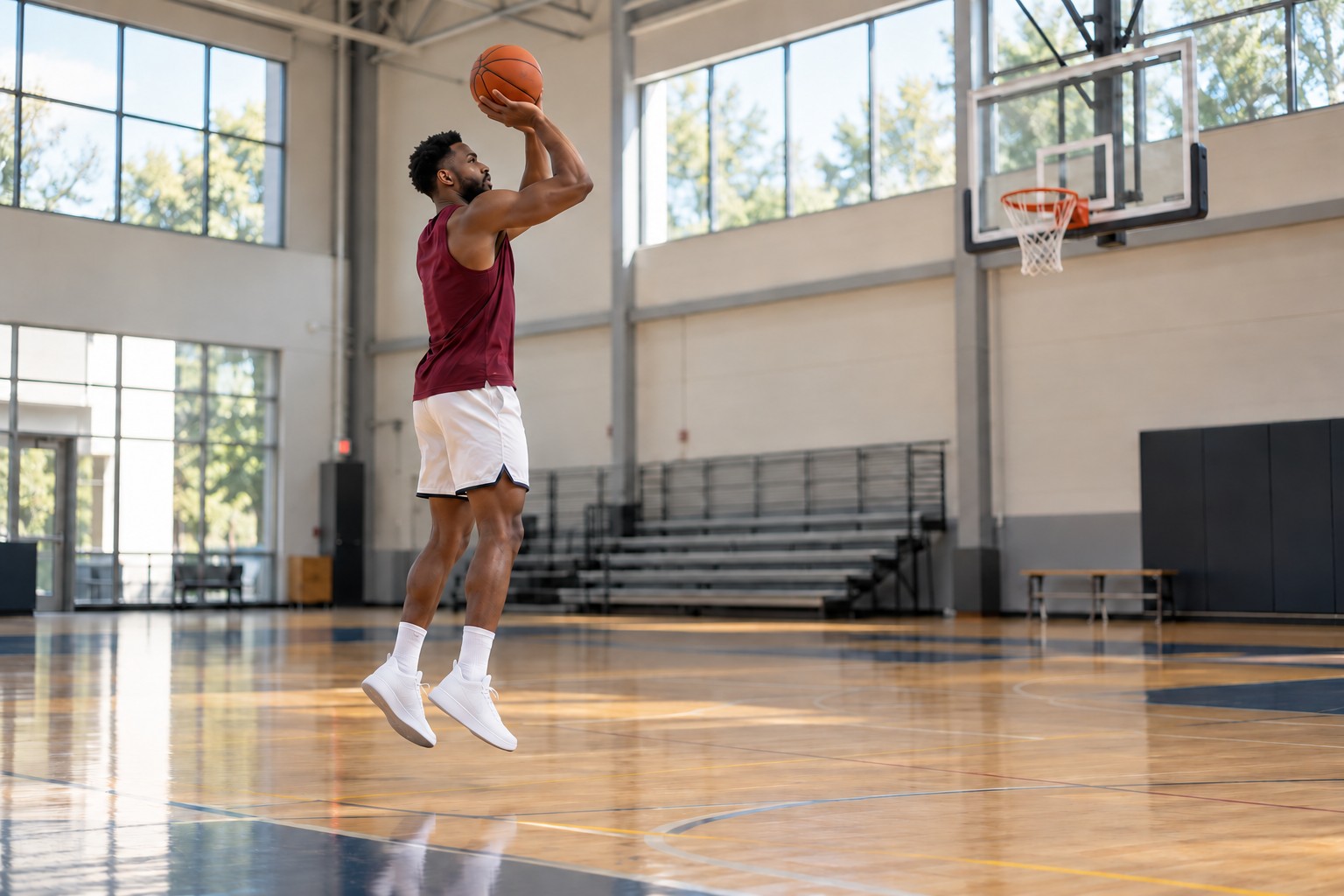
Basketball, football and combat sports place different demands on the body. A recovery conversation starts with diagnosis, sporting demands and options, not a guaranteed injection outcome.
Proposed sports program: services and responsible personnel require confirmation.
AI-created illustrative athletes in three different training settings. Not NovaCell patients, clients or endorsers.
A RESPONSIBLE STARTING POINT
Performance pressure should never replace clinical judgment.
A professional or competitive athlete’s circumstances can include an injury diagnosis, training demands, a competition calendar, team responsibilities and anti-doping rules. Those factors call for a careful assessment; they do not establish that a cell intervention is appropriate.
NovaCell’s sports content is a framework for enquiries and review. It does not claim that stem cell interventions are proven for broad sports injuries, shorten rehabilitation or guarantee return to play. No current professional-athlete patients, team agreements or sports endorsements are claimed.
Assessment and rehabilitation coordination come before any discussion of an investigational proposal. Existing care and urgent injury pathways should continue as advised by the treating clinician.
SPORT-SPECIFIC CONTEXT
Different demands. Individual decisions.
Illustrative training, not a NovaCell patient or endorsement.
Basketball
Jumping, landing, acceleration and changes of direction create a specific functional context for ankle, knee and tendon concerns. An assessment should clarify the diagnosis, current symptoms, objective limitations, established treatment options and staged rehabilitation goals. The player’s role and competition schedule should inform planning without creating pressure to accept an unproven intervention.
Illustrative training, not a NovaCell patient or endorsement.
Football
Running, sprinting, cutting, kicking and contact require coordinated clinical and rehabilitation decisions for muscle, ankle, ligament and tendon concerns. Review should consider injury history, current training load, examination findings and any relevant imaging already obtained through appropriate care. No generic cell product should be presented as a solution for every muscle, tendon, ligament or joint problem.
Illustrative training, not a NovaCell patient or endorsement.
Professional combat sports
Boxing, mixed martial arts and other combat disciplines add sport-specific considerations for hands, wrists, shoulders and knees, alongside contact exposure, medical suspensions and licensing requirements. A proposed intervention must not be used to bypass required assessment or clearance. Head injury concerns need the appropriate established clinical pathway rather than a speculative cell-based recovery promise.
BEFORE ANY PROPOSED INTERVENTION
Medical review and anti-doping review are separate.
For tested athletes, an individualized review with the relevant sports governing body and anti-doping organization is necessary before any proposed intervention. Cell-based methods are not automatically permitted. The 2026 WADA Prohibited List includes performance-enhancing use of normal cells as well as modified cells under M3. Exact cells, processing, additives, route and volume matter. M2.2 separately restricts intravenous volumes above 100 mL in 12 hours, with specified exceptions.
Assessment should identify the exact product and method, purpose, accompanying substances, timing and applicable competition rules. A medical opinion does not by itself establish anti-doping permission, and an anti-doping decision does not establish clinical safety or effectiveness.
Ask the relevant organization for an individual determination and whether any authorization or therapeutic-use process applies. Do not rely on a general marketing claim of “WADA compliance.”
A COORDINATED PATHWAY
From assessment to a considered decision.
Clarify the problem: diagnosis, red flags, functional limitations and existing treatment.
Review the evidence: product-specific evidence, alternatives, uncertainty and the risks of delaying established care.
Coordinate appropriately: treating clinician, rehabilitation professionals and, with consent, the relevant team medical staff.
Check sport rules: governing-body, licensing and anti-doping requirements before a proposed intervention.
Define follow-up: objective measures, responsibilities and a plan for problems or lack of improvement.
Return-to-sport decisions: individual clinical and functional criteria, not a promised date or commercial package.
MSCs, platelet-rich plasma (PRP) and bone-marrow concentrate are different preparations. Evidence for one cannot simply be applied to another.
Questions include whether cells can rebuild cartilage, shorten return-to-sport time or replace rehabilitation or surgery. None of these outcomes should be assumed or promised. An athlete testimonial cannot establish that a treatment caused an improvement.
During the season, both medical and individualized anti-doping review remain necessary. USADA describes narrow distinctions for some same-procedure autologous approaches; these are not blanket clearance for commercially prepared donor MSCs.